
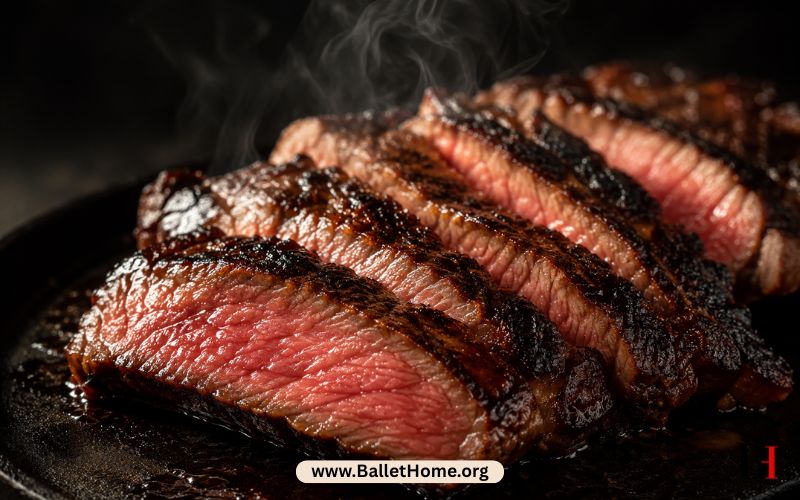
Learning how to cook steak in the oven is one of the most reliable ways to get a restaurant-quality dinner without standing over a grill. Many home cooks assume steak requires an outdoor flame to taste right, but an oven paired with a hot skillet delivers the same juicy, flavorful results. This method works year-round, regardless of weather, and gives you far more control over doneness than grilling does. Once you understand the basic steps, you will never worry about undercooked centers or overcooked, dry edges again. This guide walks through every stage, from choosing your cut to resting the finished steak properly.
How to Cook Steak in the Oven Step by Step
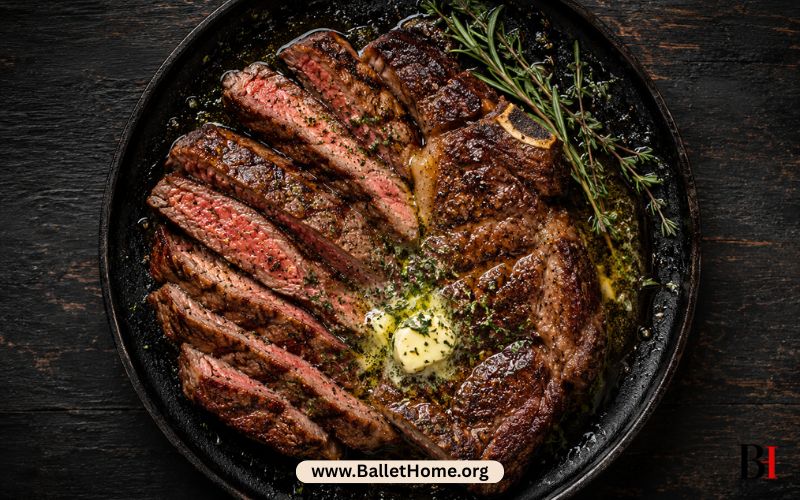
The core idea behind how to cook steak in the oven is combining a hard sear with gentle, even heat. You start by searing the steak in a hot, oven-safe skillet to build a deep brown crust on the surface. Then you transfer the entire pan into a preheated oven, where the heat finishes cooking the inside slowly and evenly. Cooks often call this two-step process the sear-then-roast method, and it prevents the outside from burning while the center reaches your desired doneness. Steakhouses rely on this exact technique because it produces consistent, tender results every single time. Once you master it, it becomes an easy weeknight routine rather than a special-occasion project.
Choosing the Right Cut
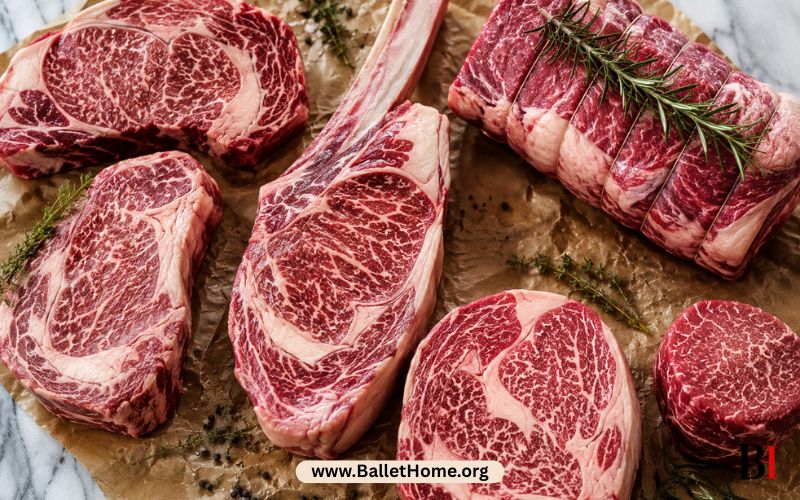
Not every steak performs the same way in the oven, so cut selection genuinely matters here. Ribeye, New York strip, filet mignon, and T-bone are excellent choices because they have enough natural fat and thickness. Look for steaks that are at least one and a half inches thick for the best sear-to-doneness ratio. Thinner cuts tend to overcook quickly once they hit the oven, leaving little room for error during timing. If you are shopping at a butcher counter, ask specifically for a thick-cut steak meant for pan-searing or roasting. Freshness and marbling also affect flavor far more than the cut’s name or price tag alone.
Prepping the Steak Before Cooking
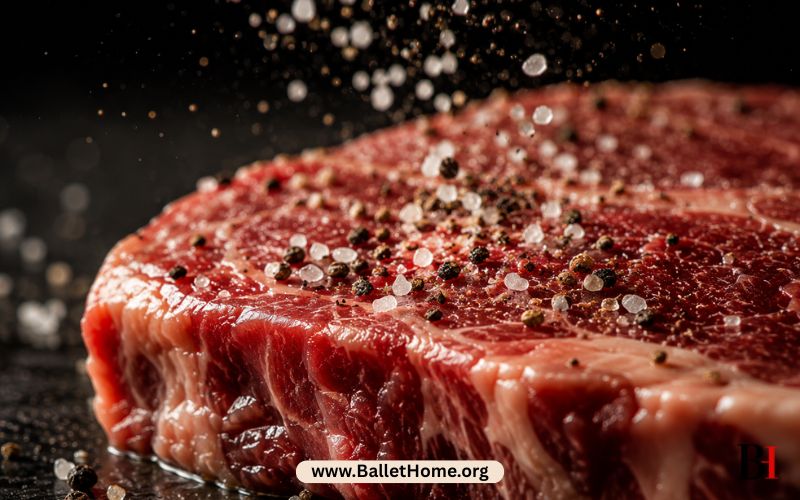
Preparation makes a noticeable difference in how the final steak turns out, so do not rush this stage. Remove the steak from the refrigerator at least thirty minutes before cooking so it reaches closer to room temperature. Placing cold steak directly into a hot pan cooks it unevenly, leaving a gray band beneath the crust. Pat the surface completely dry with paper towels, since moisture prevents proper browning during the sear. Season generously with coarse salt and freshly cracked pepper on both sides, pressing gently so it adheres. Some cooks add a light coating of oil at this stage instead of during the sear itself.
Searing Before the Oven
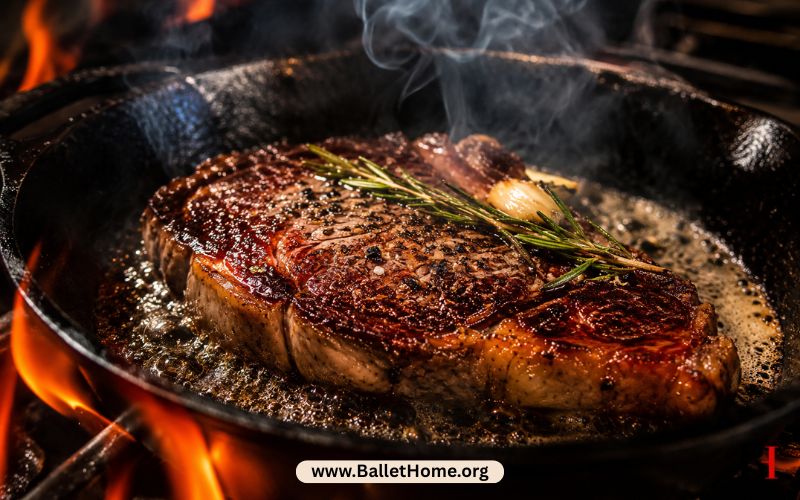
Searing is the step most people rush, yet it is what builds the flavorful crust everyone loves. Heat a heavy, oven-safe skillet, preferably cast iron, over high heat until it is very hot. Add a high-smoke-point oil like avocado or canola oil, then place the steak in the pan immediately. Let it sear undisturbed for about two to three minutes per side without moving or flipping repeatedly. You want a deep brown crust to form before flipping, since this crust locks in juices later. Add butter, garlic, and fresh herbs during the final minute for extra richness and aroma throughout the meat.
Oven Temperature and Timing
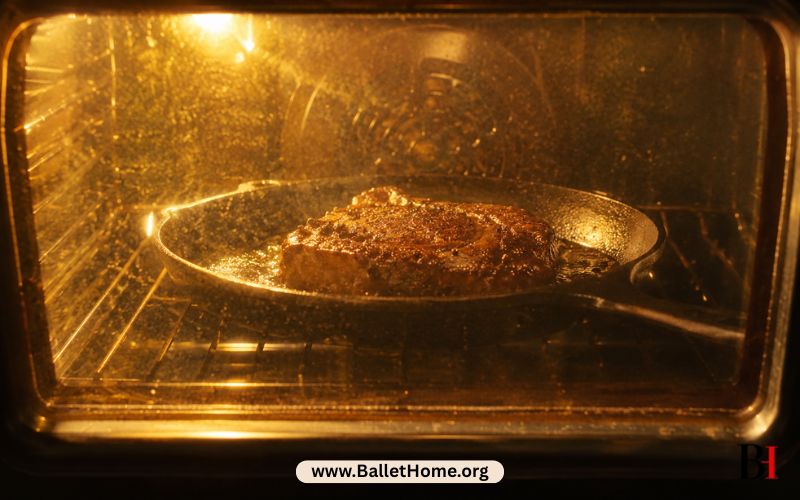
Once you finish searing, transfer the skillet directly into an oven you preheated to four hundred degrees Fahrenheit. Timing is one of the trickiest parts of how to cook steak in the oven correctly, since thickness varies. Cooking time depends on thickness and your preferred doneness, but most steaks need six to ten minutes. For medium-rare, aim for roughly seven minutes; for medium, extend that closer to nine or ten minutes total. Thicker cuts naturally require slightly longer roasting times, so always check earlier than you think necessary. Avoid opening the oven door repeatedly, since this lets heat escape and slows the entire cooking process down. Using an oven-safe pan throughout is essential, since plastic or wooden handles cannot withstand these temperatures safely.
Using a Meat Thermometer for Accuracy
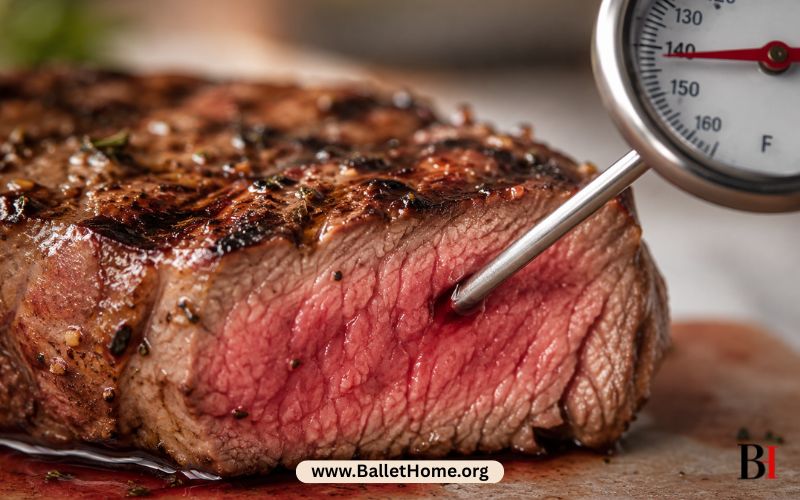
Guessing doneness by touch takes years of practice, so a meat thermometer removes all the uncertainty. Insert it into the thickest part of the steak, avoiding bone or excess fat pockets entirely. For rare, pull the steak at one hundred twenty-five degrees Fahrenheit; for medium-rare, aim for one hundred thirty-five. Medium doneness sits around one hundred forty-five degrees, while well-done reaches one hundred sixty degrees or higher. Remember that the internal temperature continues rising slightly after removal, a process chefs call carryover cooking. Pulling the steak five degrees early accounts for this and prevents accidentally overshooting your target doneness.
Resting the Steak Properly
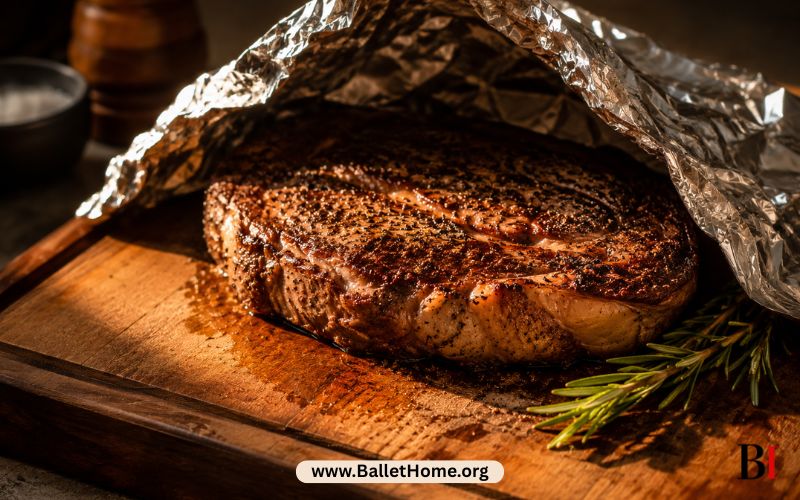
Resting feels like an unnecessary pause, but skipping it undoes much of your careful cooking work. Transfer the steak to a cutting board and tent it loosely with aluminum foil for five to ten minutes. During this time, the juices redistribute evenly throughout the meat instead of pooling in the center. Cutting too early causes those flavorful juices to spill onto the board, leaving the steak noticeably drier. Patience here rewards you with a more tender, juicy bite in every single slice. Once it finishes resting, slice against the grain to maximize tenderness before serving it to your family.
Common Mistakes to Avoid
Knowing how to cook steak in the oven also means knowing which small errors can ruin an otherwise perfect result. Skipping the sear entirely results in a pale, flavorless exterior lacking the signature crust everyone expects from oven-cooked steak. Overcrowding the pan with multiple steaks lowers the temperature and causes steaming instead of proper browning. Using a thin, non-oven-safe pan can warp or release harmful fumes once it enters high oven heat. Cutting into the steak immediately after cooking releases juices and leaves the meat noticeably drier than intended. Finally, under-seasoning is common, since salt loss during cooking means steaks often need more than expected.
Frequently Asked Questions
Here are quick answers to the most common questions people ask about cooking steak in the oven. These cover timing, technique, and equipment, so you can cook with confidence.
How long does it take to cook steak in the oven?
Most steaks need six to ten minutes at four hundred degrees, depending on thickness and desired doneness.
Is it better to cook a steak in the oven or in a pan?
Combining both works best, since a hot pan sears the crust and the oven finishes cooking evenly.
When cooking steak in the oven, do you cover it with foil?
You do not need foil during roasting, but tenting the steak loosely while it rests helps retain heat.
How do chefs cook steak in the oven?
Professional chefs typically sear steak in a hot skillet first, then finish it in a high-heat oven for even doneness.
Do I need any special equipment to make steak this way?
Not really learning how to cook steak in the oven just takes an oven-safe pan and a meat thermometer.
Final Thoughts
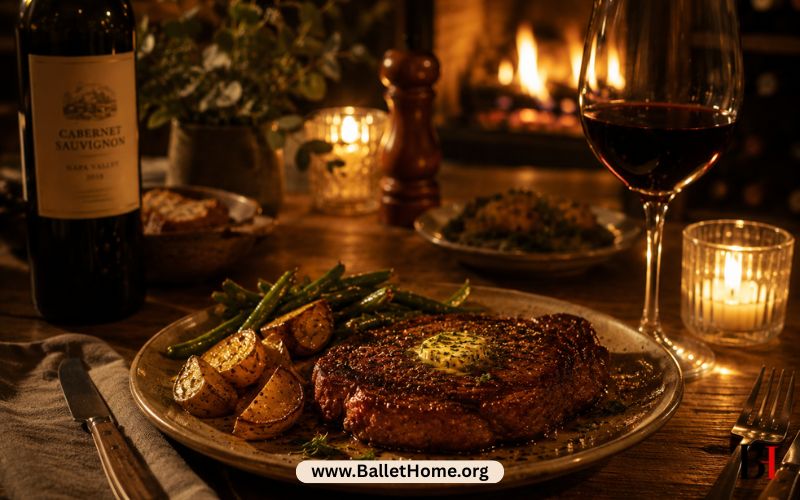
Mastering how to cook steak in the oven turns an intimidating task into a repeatable, confident kitchen skill. With the right cut, proper searing, accurate temperature control, and patient resting, restaurant-quality results are achievable at home. Practice this method a few times, and it quickly becomes second nature for weeknight dinners or special occasions alike.