
Gel nail polish looks stunning and lasts for weeks but removing it incorrectly will completely destroy your nails. Millions of women search for how to remove gel nail polish at home every single month worldwide. Many peel their polish off and that one mistake strips natural nail layers causing months of damage. By carefully reading this guide you can take it off safely at home without visiting a salon every single time. The right tools and the correct technique protect your nails throughout the entire process. This complete guide covers every method, every tool and every tip you need for safe removal. Whether you want to use acetone, skip it entirely or avoid peeling, this guide answers every question. Follow these steps carefully and your nails will stay strong and healthy after every session.
How to Remove Gel Nail Polish
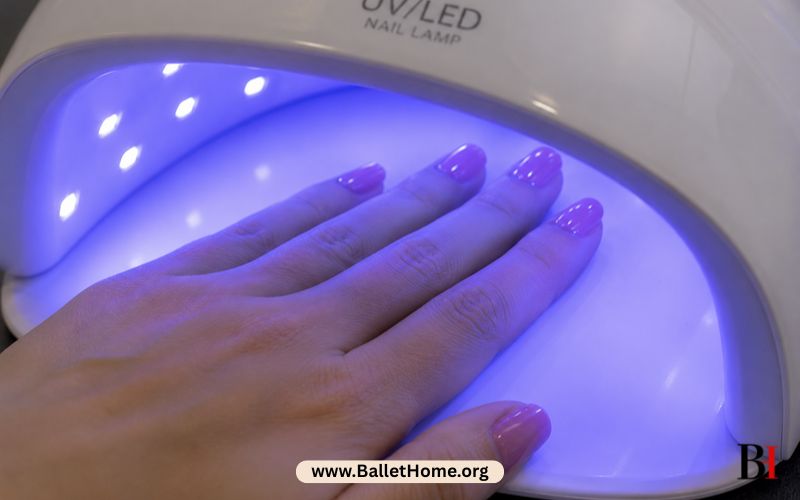
Before knowing how to remove gel nail polish at home we must know what it is. Gel polish uses a special formula that hardens under a UV or LED lamp during application. Regular polish air dries but this formula cures into a hard layer that ordinary remover cannot dissolve. This hardened layer is exactly why it lasts two to four weeks without chipping. Taking it off the wrong way causes thin weak nails that break easily and take months to recover. The process matters just as much as the application for keeping your nails healthy. Women who peel their manicure regularly notice their nails becoming thinner with every session. Safe removal preserves your natural nail plate and keeps things ready for your next manicure.
Gel Nail Removal Everything You Need to Know
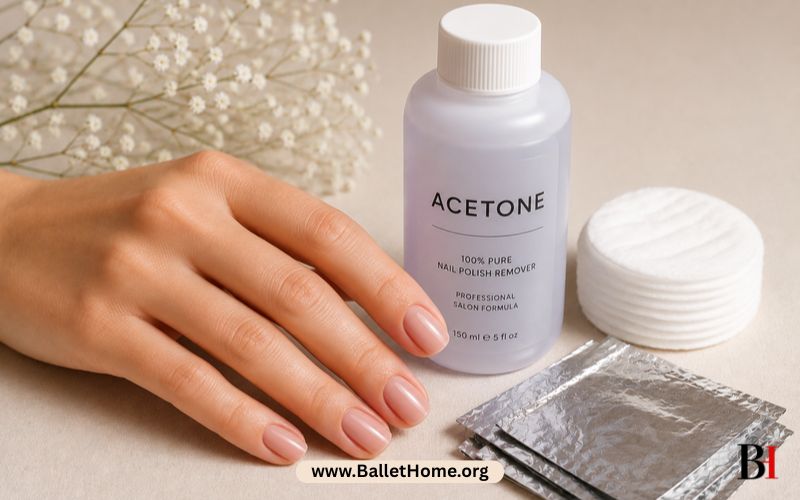
Knowing the correct approach at home saves you salon money and protects your natural nails. Many assume the process is complicated but it is simple when you follow the right steps. The most important rule is to never force or peel the polish off. Doing so physically damages the top layers of your natural nail plate underneath. The correct method involves softening the gel completely with acetone before you push anything off. Softened polish slides off gently with a cuticle pusher and causes zero damage. Every technique in this guide follows the same core principle of softening before removing.
Gel Nail Removal Tools You Need
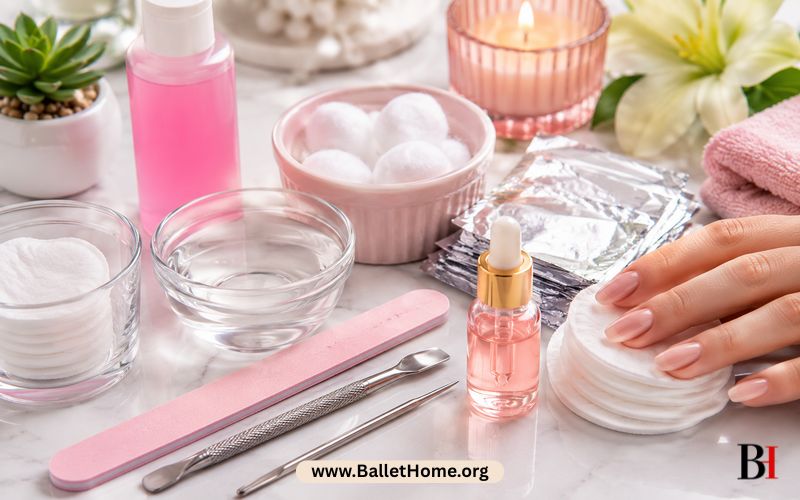
Gathering the right tools before you start saves you time and protects your nails. Pure acetone works far better than regular remover for breaking down the polish effectively. Cotton balls or pads hold the acetone firmly against your nail during soaking. Aluminum foil or removal clips wrap around your fingers to keep the soaked cotton in place. A 180-grit file helps you break the shiny top coat seal before acetone penetrates underneath. A cuticle pusher lets you gently push softened polish off each nail cleanly. Cuticle oil and hand cream restore moisture to your skin after acetone dries everything out.
How to Remove Gel Nail Polish at Home Step by Step
Following each step in the correct order gives you the safest results every time.
1. File the Top Coat
Take your 180-grit file and gently buff the shiny surface off each nail completely. This breaks the seal and allows acetone to penetrate the layers much faster.
2. Protect Your Skin
Apply a thin layer of petroleum jelly around each nail and onto your cuticles before applying acetone. This protects your skin from irritation during the soaking process.
3. Soak the Cotton
Cut your cotton balls to fit the size of each nail and soak each piece fully in pure acetone.
4. Wrap With Foil
Place the soaked cotton directly on your nail and wrap a square of foil tightly around your fingertip.
5. Wait 15 Minutes
Leave all ten wraps on for a full fifteen minutes without removing or peeking at any of them.
6. Push Off the Gel
Remove one wrap and use your cuticle pusher to gently push the softened layer toward the nail tip.
7. Buff and Moisturize
Lightly buff your nails to smooth any uneven texture and apply cuticle oil generously to every nail.
Remove Gel Nails With Foil
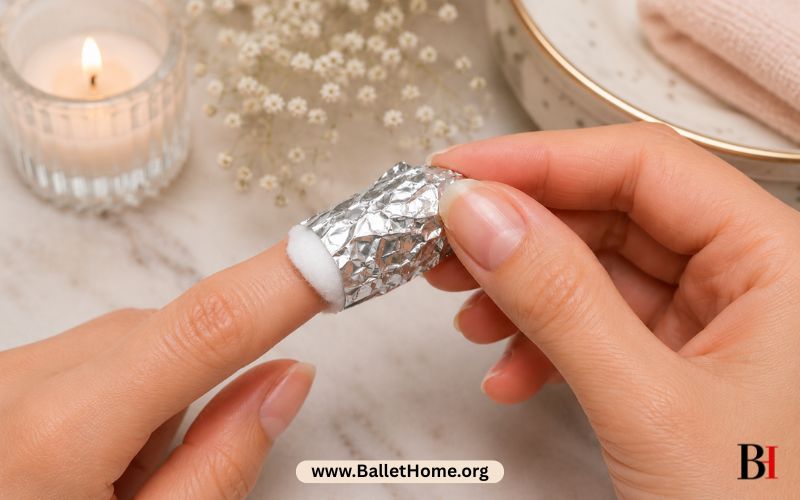
This wrapping method remains the most popular and effective technique that professionals and beginners both trust. Foil creates a sealed environment that keeps acetone concentrated directly on the polish throughout the soak, which is exactly what makes it work so consistently every time. This concentrated exposure softens everything evenly across the surface for clean and easy results without causing unnecessary damage to the nail underneath. Many try regular remover with foil but only pure acetone delivers the consistent outcomes you need for safe and complete gel removal at home. The heat trapped inside the foil also helps acetone work faster and more efficiently on stubborn gel layers that have been on the nail for several weeks. If things still feel firm after fifteen minutes, rewrap that nail and soak for five more minutes before attempting to push anything off.
How to Remove Gel Polish Without Damage
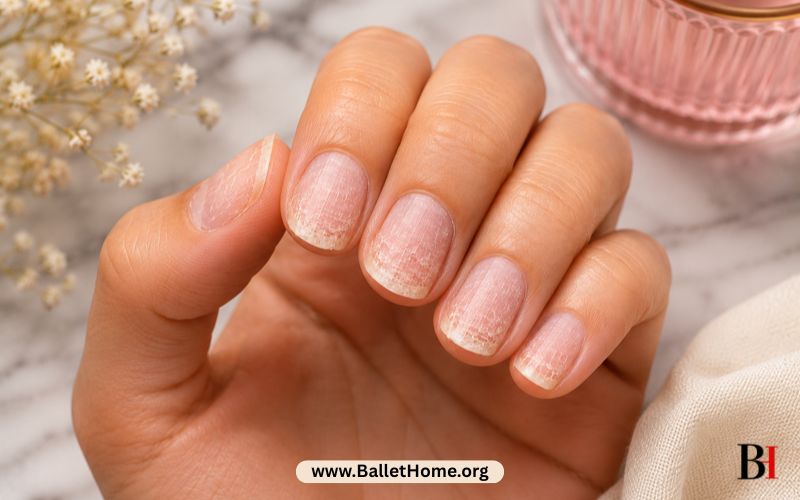
Avoiding damage requires patience and the correct technique applied consistently every single time you remove your gel polish at home. Never peel or force anything off because that action removes your natural nail layers underneath and causes the kind of thinning that takes months to recover from. Always file the top coat completely first because skipping this one step significantly reduces how effectively the acetone can penetrate and soften the gel layer. Keep your wraps on for the full fifteen minutes so everything softens completely before you attempt removal, even if you feel tempted to check early. Use your pusher gently and never press hard against the nail surface because a light touch is all you need when the gel has softened properly. Applying cuticle oil immediately afterward restores the moisture that acetone strips away from both your nails and the surrounding skin.
Remove Gel Nail Polish Without Acetone
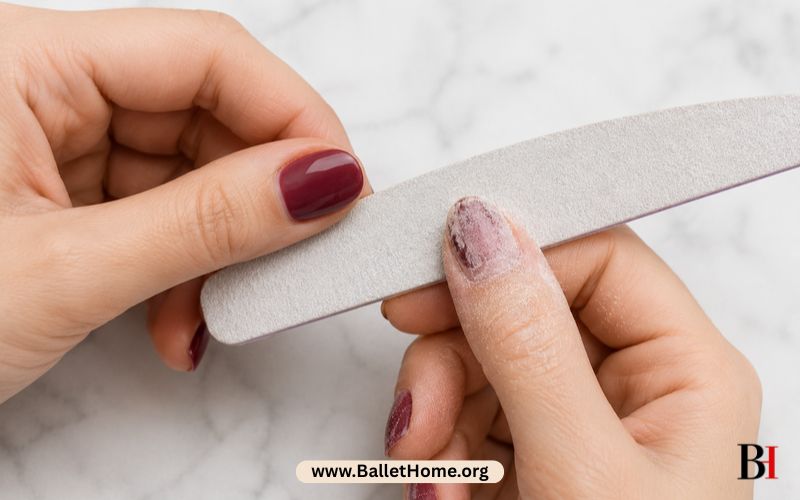
Many prefer to avoid acetone completely because it dries out their nails and skin significantly with repeated use over time. You can skip it entirely but the process requires considerably more time and patience than the standard foil soaking method. The filing method works by gradually removing each layer of gel using a nail file carefully and slowly without rushing. Start with a coarse 100-grit file to work through the color layers and then switch to a finer grit as you get closer to the natural nail. Stop immediately the moment you see your natural nail because filing any further causes serious thinning and long term damage to the nail plate. Always finish with a strengthener and cuticle oil to restore your nails after completing the filing removal method.
How to Remove Gel Nails Without Peeling
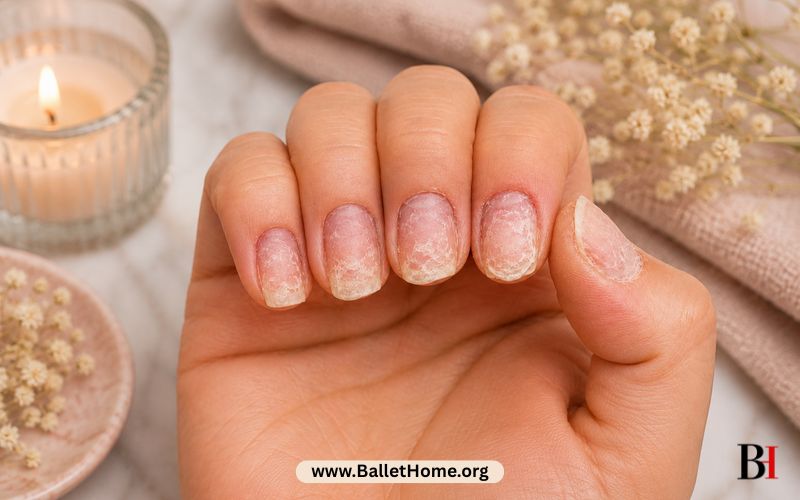
Peeling gel nail polish feels satisfying in the moment but it causes serious and lasting damage to your natural nails every single time you do it. Each time you peel, you physically remove the top protective layers of your natural nail along with the polish, leaving the nail surface thin and vulnerable. This leaves your nails dangerously thin and sensitive for weeks or even months after each peeling incident, and the damage compounds with every repeated removal. The only reliable way to remove gel nails without peeling is to commit to the proper soak off method and give it the full time it needs. Never pull at lifting edges even when the gel starts naturally separating from your nail surface during the soaking process because patience at that stage prevents the most damage. Patience during soaking is the single most powerful habit protecting your nails from the kind of peeling damage that keeps many women stuck in a cycle of weak and brittle nails.
How Long to Soak Gel Nails in Acetone
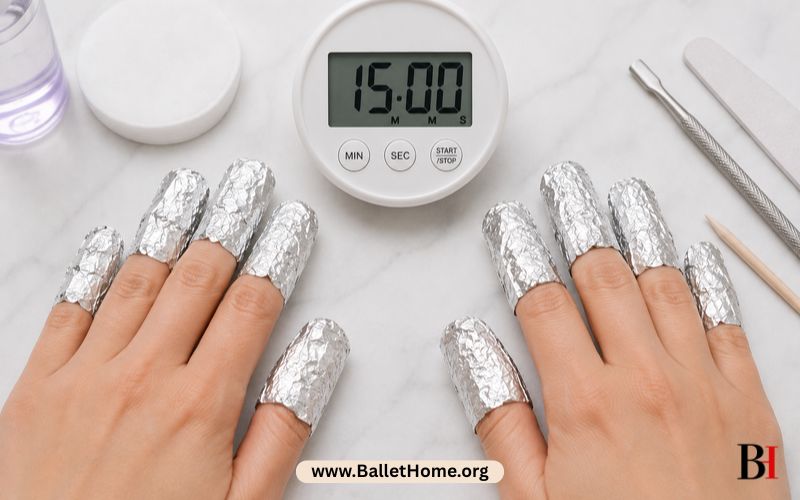
Most people wonder exactly how long the soaking step should take to soften the gel enough for completely safe and clean removal. The correct soaking time depends on the thickness of your gel polish and how many layers were originally applied during your last manicure appointment. Standard gel formulas need between ten and fifteen minutes of soaking to soften enough for safe removal without forcing or scraping. Thicker gel builds or formulas with a hard shellac top coat may require up to twenty minutes of soaking time before the gel is ready to push off cleanly. Never attempt removal after only five minutes because the gel will not be soft enough and you will end up forcing it which causes immediate damage to the nail. Wrapping your hands in a warm towel placed over the foil helps the acetone penetrate faster by creating gentle consistent warmth around your fingertips throughout the soaking period.
Cuticle Oil After Gel Removal
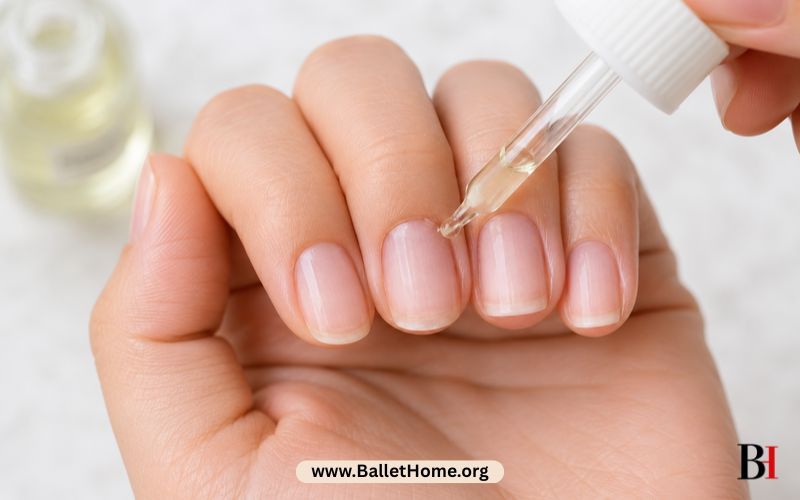
Applying cuticle oil after gel removal is one of the most important steps in the entire process and it is the one step that most people completely skip over. Acetone strips all the natural oils from your nails and surrounding skin during the removal process, leaving everything feeling dry, tight and stripped of moisture. Your nails feel dry and brittle after acetone exposure and cuticle oil helps restore that lost moisture quickly so your nails can begin recovering their natural flexibility and strength. Apply it to each nail immediately after washing the acetone off your hands and massage it deeply into the cuticle area and all surrounding skin for full absorption. Use cuticle oil every single day for at least one full week after removal to give your nails the best possible recovery conditions. Jojoba oil, vitamin E oil and argan oil all work extremely well as natural alternatives to store bought cuticle oil products if you prefer a more natural approach.
Related Health Guide: How to Get Water Out of Your Ears Quickly
Does Gel Nail Polish Damage Nails

Many women wonder whether gel nail polish itself is the source of nail damage or whether the removal process is the real culprit behind thinning and weakening nails. The honest answer is that gel polish applied correctly and removed properly does not cause significant damage to healthy natural nails at all. The real damage almost always happens when women peel their gel polish off impatiently or rush through the removal process using the wrong technique, both of which physically strip away natural nail layers. UV lamps used to cure the polish expose your nails and surrounding skin to ultraviolet light during every application session, and some dermatologists suggest applying a broad spectrum sunscreen to your hands beforehand as a sensible precaution. Taking regular breaks between gel manicures gives your nails valuable time to breathe, recover their natural moisture balance and rebuild their strength before the next application. Using a nail strengthener consistently between gel applications keeps your nails in a healthier baseline condition and makes them far less vulnerable to damage during every future removal session.
Related Health Guide: Ear Piercing Aftercare Guide to Healing Fast
Frequently Asked Questions
How to remove gel nails at home without going to a salon?
Use pure acetone, cotton balls and foil. File the top coat first, soak for fifteen minutes and gently push everything off with a cuticle pusher.
Can you remove gel polish with a regular nail polish remover?
No, regular remover is too weak to break down the hardened gel layer. You need pure acetone for safe and complete results every time.
What are common mistakes in gel removal?
Peeling the polish off, skipping the filing step, not soaking long enough and forcing the gel with a metal tool are the most common mistakes. Each of these damages the natural nail layers underneath and slows down recovery significantly.
Can acetone damage your nails?
Acetone itself does not damage healthy nails when used correctly, but it does strip natural oils and moisture from the nail and surrounding skin, which is why applying cuticle oil immediately afterward is so important.
What can I use instead of gel polish remover?
A coarse nail file works as a chemical free alternative, though it requires more time and a much gentler hand to avoid accidentally filing into the natural nail underneath.
Which is healthier for your nails, dip or gel?
Both can be safe when applied and removed correctly. Gel tends to be gentler during removal since it usually requires less aggressive filing than dip powder, which often needs more buffing to break through the layers.
Does the process hurt?
Proper soak off removal causes zero pain or discomfort at all. Pain only happens when you peel or force the gel off before it has softened properly.
What should I apply afterward?
Apply cuticle oil immediately after removal and follow with a nail strengthener to restore moisture and actively rebuild nail strength and health.
Final Thoughts
Knowing the correct approach towards how to remove gel nail polish at home gives you full control over your nail health routine. The foil and acetone method delivers the safest and cleanest results without causing damage to your natural nails. Always file first, soak for the full fifteen minutes and push softened layers off gently every single time. Never peel anything off no matter how tempting it feels once the edges start lifting on their own. Apply cuticle oil immediately afterward and follow with a nail strengthener to keep your nails in the best possible condition. Your nails stay strong and beautiful when you treat every removal session with the same care and patience you give to the application itself.