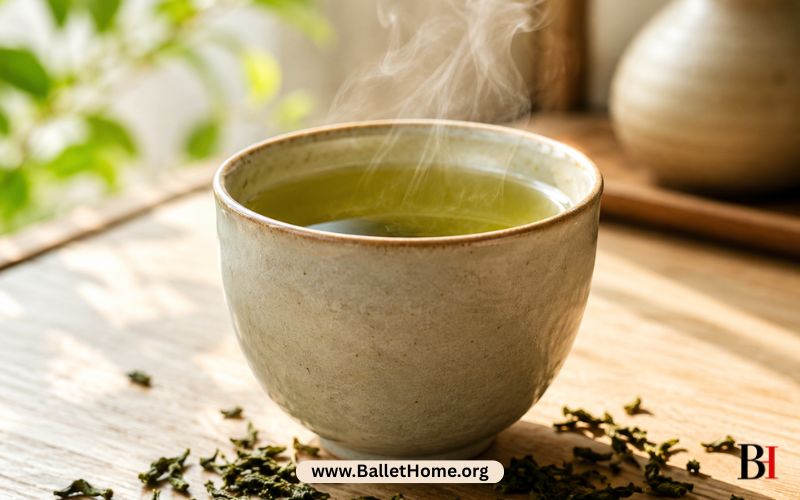
Most people brew green tea exactly the way they brew coffee, and that single habit is why so many cups turn out bitter. Learning how to brew green tea properly comes down to just three things, water temperature, steeping time, and ratio. Get those right and you will notice the difference immediately, a smooth, naturally sweet cup instead of the harsh, grassy taste most people associate with green tea. Boiling water is the single biggest mistake, since it scorches the delicate leaves and pulls out far more bitterness than flavor. The good news is that fixing this takes almost no extra effort once you know what to look for. This guide walks through the exact steps, the right water temperature, how long to steep, and even how to cold brew green tea for a smoother, naturally sweeter version. By the end, you will know exactly how to brew green tea the right way, every single time.
How to Brew Green Tea Step by Step
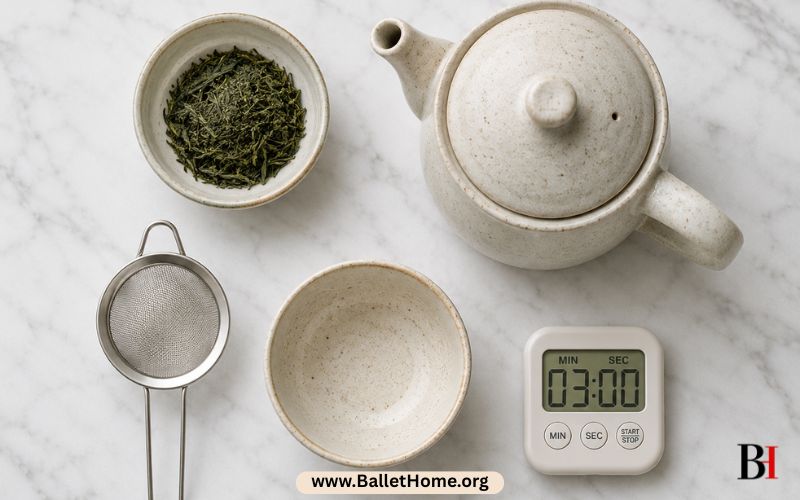
Most people overcomplicate the process but knowing how to brew green tea at home is straightforward once you know the right order. These six steps cover everything from heating your water to straining and serving, and following them in sequence makes the difference between a bitter cup and a smooth one. No special equipment required, just a kettle, a cup, and a timer.
Heat Your Water
Bring water to a full boil, then remove it from the heat and let it sit undisturbed for two to three minutes. This simple resting step brings the temperature down naturally to somewhere between 175 and 180°F, the ideal range for green tea. Pouring boiling water directly onto green tea leaves scorches them immediately and pulls out far more bitterness than flavor.
Warm Your Teapot or Cup
Pour a small splash of the hot rested water into your teapot or cup, swirl it around gently, then discard it before adding your tea. This quick step keeps the vessel warm so the brewing temperature stays stable from the first pour to the last sip. Skipping it means your tea starts cooling the moment it hits a cold cup, which affects both flavor and extraction.
Measure Your Tea
Use about one teaspoon of loose leaf tea, or one standard tea bag, for every eight ounces of water as your starting point. Using too much tea is one of the most common reasons a cup turns out overly strong or bitter even when the water temperature and timing are correct. Adjust the amount slightly up or down depending on how light or strong you prefer your cup.
Add the Tea to the Water
Pour the hot water gently over your tea leaves or tea bag rather than dropping the tea into already-filled water. This direction of pour matters because it distributes heat more evenly across the leaves and slows down extraction just enough. Dropping dry leaves into hot water causes them to clump and extract unevenly, which produces a less balanced cup.
Steep for Two to Three Minutes
Set a timer as soon as the water hits the leaves, since even one extra minute can push your cup from smooth and pleasant to noticeably harsh. Green tea extracts much faster than black tea, so what feels like a short steep is usually exactly right. Pull the leaves or tea bag out promptly when the timer goes off rather than leaving them in while you get distracted.
Strain and Serve
Remove the leaves or tea bag the moment the timer goes off, then pour and enjoy while the tea is still at its best temperature. Leaving the leaves in even a minute or two past the ideal time continues the extraction and builds up tannins that create bitterness. If you used loose leaf tea, set the leaves aside since most good quality green teas can be steeped successfully two or three more times.
Best Water Temperature for Green Tea
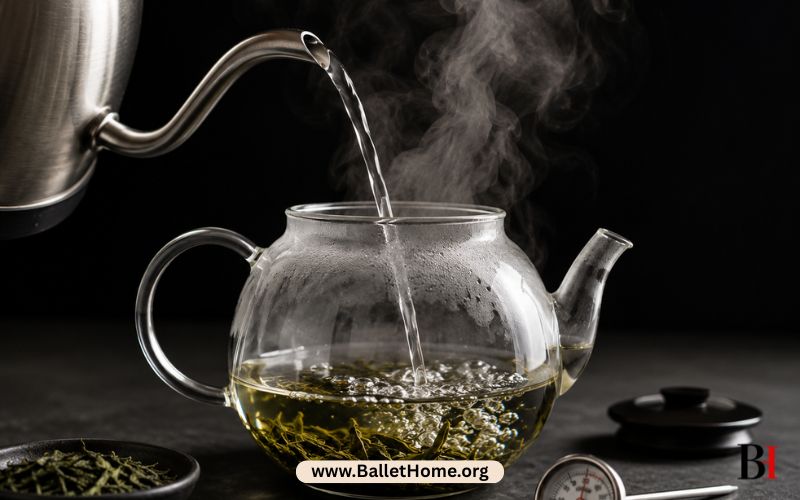
Water temperature is the single biggest factor separating a smooth cup from a bitter one. The ideal range for most green tea sits between 175 and 180°F, noticeably cooler than the full boil used for black tea. Brewing too hot pulls out more bitterness, since high heat extracts more of the compounds responsible for that sharp taste. Cooler water lets the natural sweetness come through instead. The easiest method needs no thermometer at all, boil your water, then let it cool for about three minutes before pouring. If your tea ever tastes bitter, the water was almost certainly too hot.
How Long to Brew Green Tea
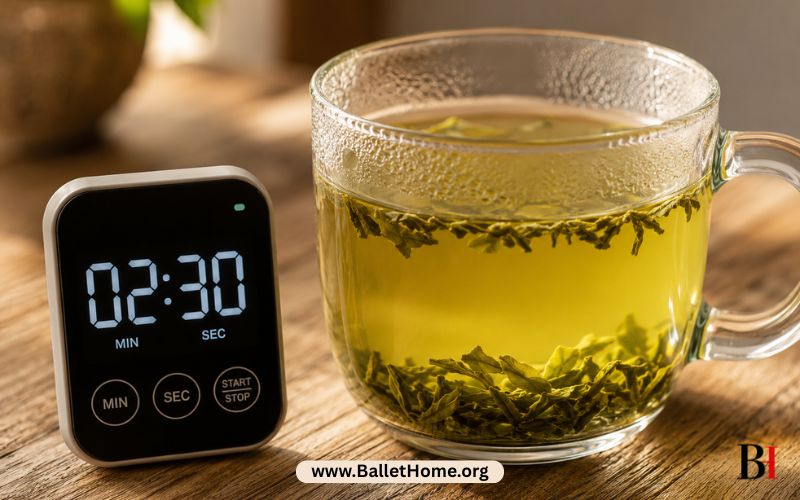
Most green tea needs about three minutes, though many people prefer a slightly shorter one to three minute range for a lighter cup. The longer it steeps, the more bitterness builds up, so a timer matters more than instinct here. Squeezing the tea bag at the end also causes bitterness, since it forces out extra tannins that were meant to stay behind. If your tea ever tastes weak, brew slightly longer next time. If it tastes harsh, pull it out sooner.
How to Cold Brew Green Tea
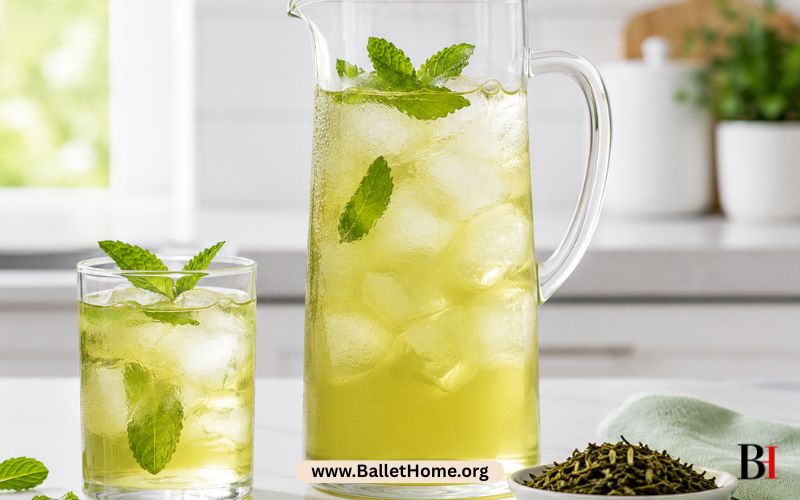
Cold brew green tea skips heat entirely, which means almost no bitterness even if you steep it longer than planned. Use about 1.5 to 2 tablespoons of loose leaf tea per liter of water or a few tea bags if that’s easier. Combine the tea and cold water in a pitcher, cover it, and place it in the fridge. Let it steep for 6 to 8 hours overnight works perfectly. Strain out the leaves, then serve over ice. It keeps well in the fridge for up to three days, so it’s worth making a full pitcher at once.
Common Mistakes When Brewing Green Tea
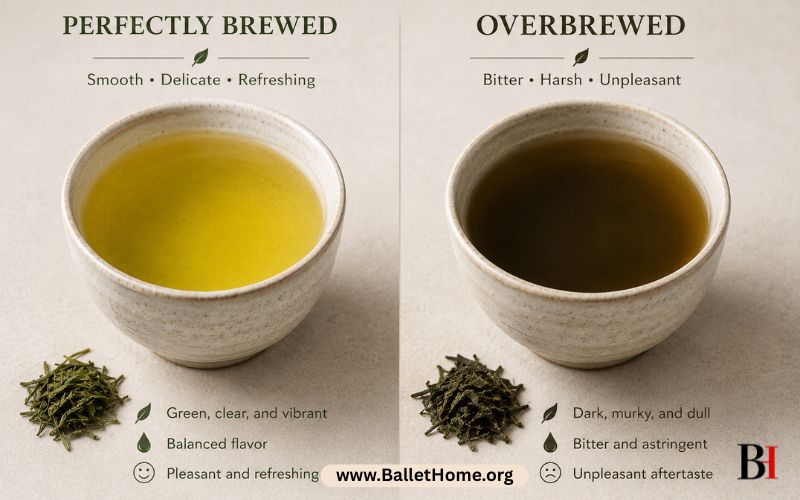
Using boiling water is the single biggest mistake people make when learning how to brew green tea, since high heat pulls out more of the compounds responsible for bitterness. Many people approach green tea the same way they brew coffee, full boil, long steep, but that habit is exactly what causes the bitterness. Steeping too long is the second most common cause, and pushing past three or four minutes leaves you with a harsh, mouth-puckering cup. Squeezing the tea bag at the end also causes bitterness, since it forces out tannins meant to stay behind. Using low quality tap water can dull the flavor too, since chlorine and minerals interfere with green tea’s delicate notes. Finally, many people reuse the same leaves expecting identical results, but the first steep is always the longest, with each following steep needing slightly less time. Avoiding these five habits alone fixes most bitter cups of green tea.
How to Brew Japanese Green Tea
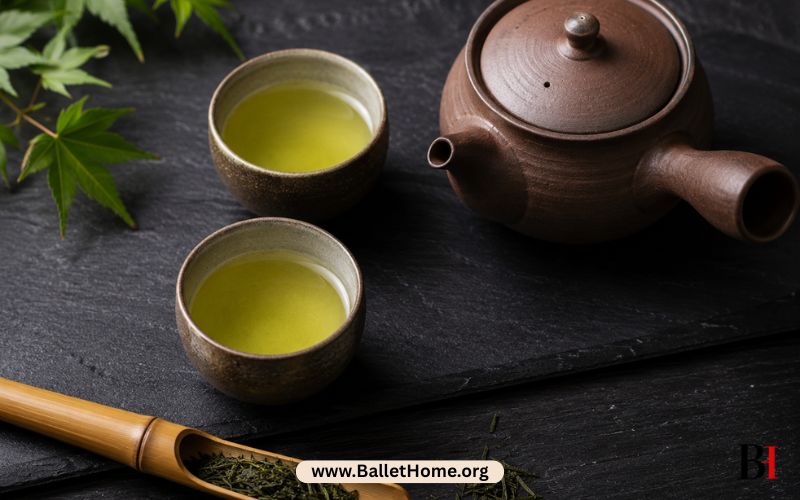
Knowing how to brew green tea changes slightly once you move to Japanese styles, most commonly sencha, though the same core principles still apply. Water should be heated to 70 to 80°C, or 158 to 176°F, noticeably cooler than even the standard green tea range. Use about one tablespoon of loose leaf sencha for every 200ml of water. Steep for just 60 to 90 seconds, far shorter than most green teas, since the leaves are more delicate and extract faster. A traditional kyusu teapot works best, since its built-in strainer catches the fine leaves naturally. Good sencha is rarely a one-cup tea, the second and third infusions reveal a slightly different side of the leaf each time.
Frequently Asked Questions
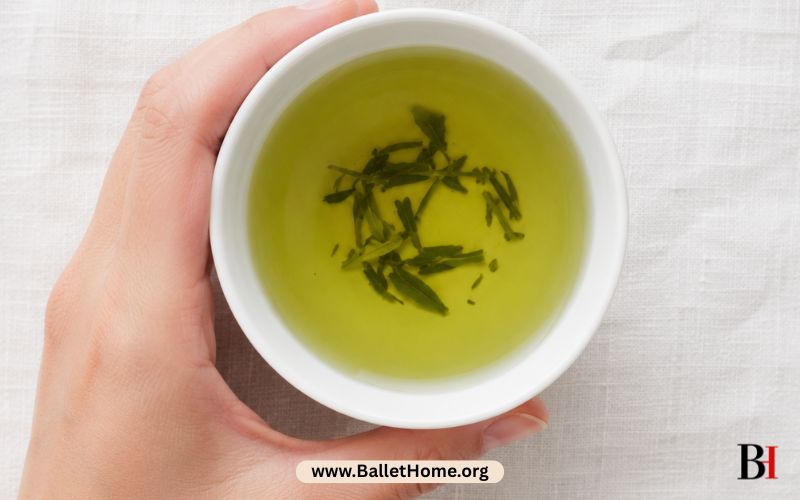
What is the best water temperature for brewing green tea?
Most green tea brews best between 175 and 180°F, well below boiling, since hotter water pulls out unwanted bitterness.
How long should you steep green tea?
Two to three minutes is the standard range. Steeping longer almost always leads to a bitter cup.
What is the best way to brew green tea for health benefits?
Brewing at the right temperature around 175°F preserves more antioxidants than boiling water which actually reduces some of green tea’s beneficial compounds. If you enjoy exploring natural foods with powerful health benefits, green tea brewed correctly is one of the simplest additions to any healthy diet.
How long should you steep green tea for the most health benefits?
A standard two to three minute steep balances flavor and antioxidant extraction well. Steeping much longer adds bitterness without meaningfully increasing the benefits.
Can you reuse green tea leaves?
Yes, once you know how to brew green tea properly, quality loose leaf can be steeped two or three more times, with each infusion revealing slightly different flavor notes.
Is cold brew green tea healthier than hot brew?
Cold brew contains less caffeine and fewer tannins, making it a gentler option, though both methods retain meaningful antioxidants.
Final Thoughts
Brewing a good cup of green tea really comes down to three things, water that’s cooler than boiling, a short steep, and a timer instead of guesswork. Skip these and you end up with the bitter, harsh cup most people blame on the tea itself. Get them right and green tea becomes smooth, naturally sweet, and genuinely enjoyable. Whether you stick with a quick hot brew, try cold brewing for a sweeter cup, or explore the more traditional sencha method, the same core principles apply every time. Once you know how to brew green tea properly, every cup becomes consistent and worth making again.